
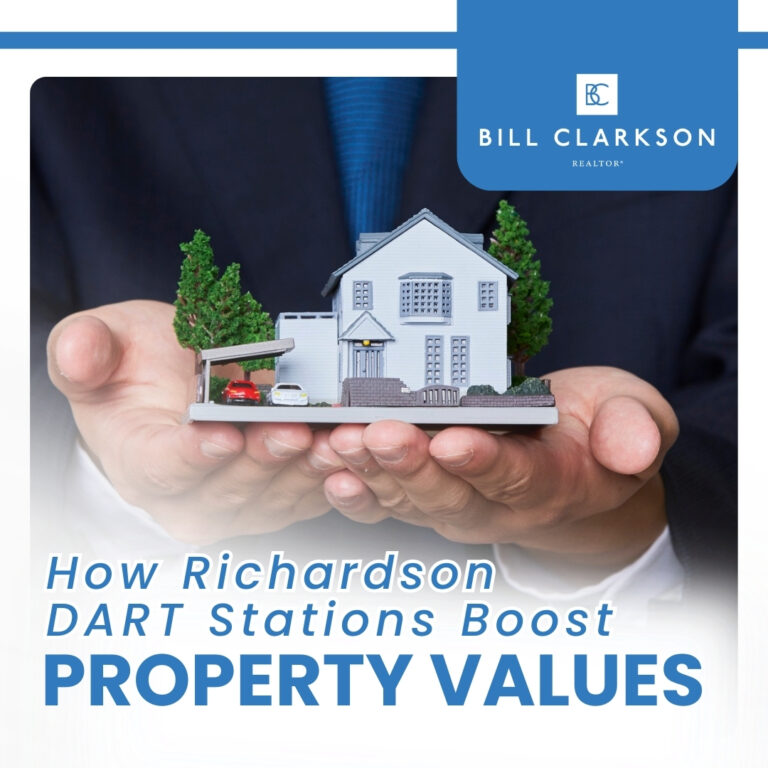
Richardson has long been one of the most strategically located cities in the Dallas–Fort Worth Metroplex.
Positioned just north of Dallas and home to major employers, universities, and technology companies, the city has steadily attracted professionals, families, and investors looking for strong long-term housing demand.
But beyond its employment base and highly rated neighborhoods, Richardson offers something many suburbs struggle to provide: reliable public transit. That transit access comes primarily through the Dallas Area Rapid Transit (DART) light rail system.
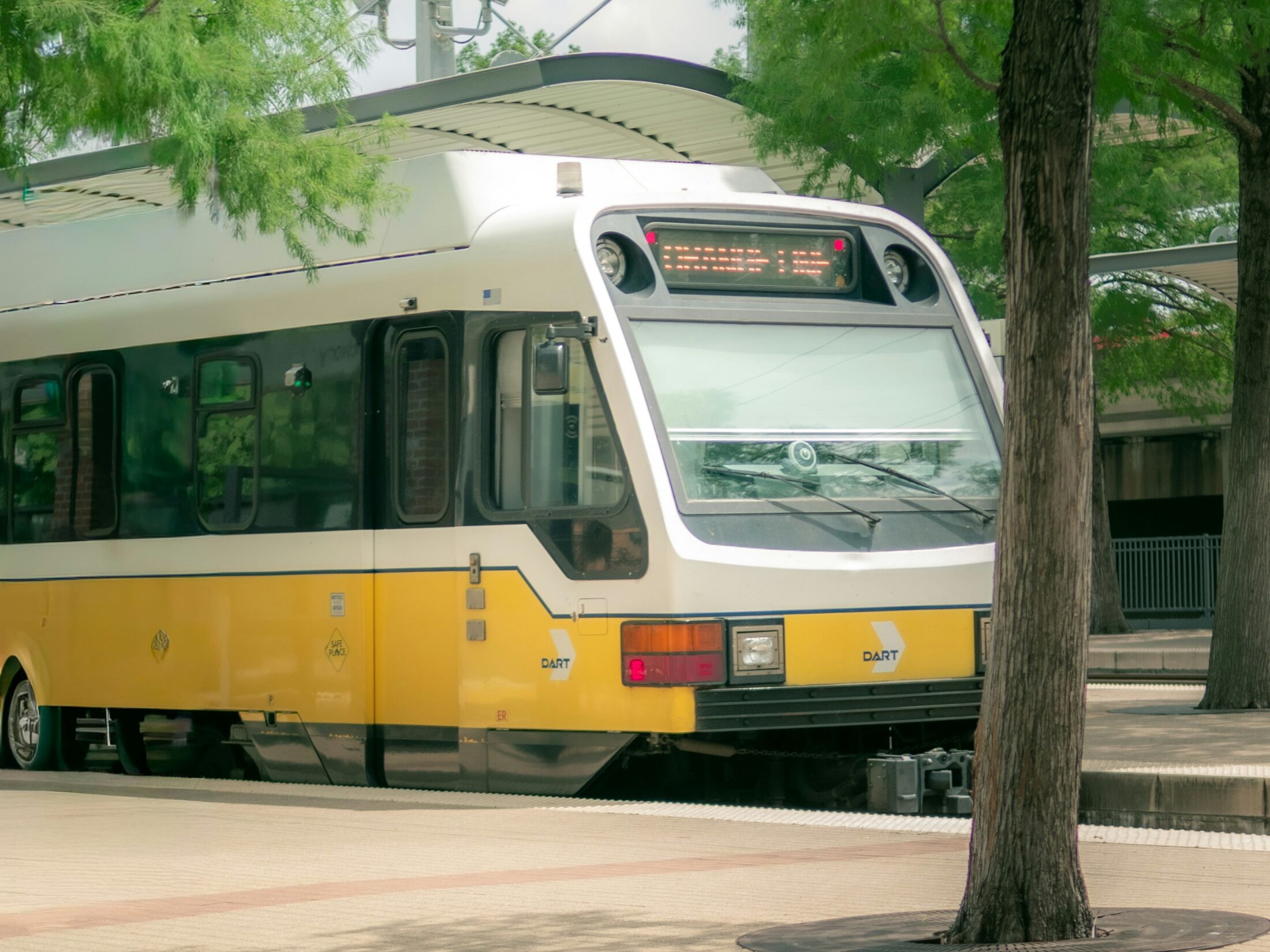
With several stations located throughout the city—including Galatyn Park, Arapaho Center, and CityLine/Bush—residents can easily connect to downtown Dallas, major employment corridors, and regional destinations without relying entirely on a car. For commuters, that convenience can significantly improve daily quality of life.
For real estate buyers, however, the advantage goes even deeper. Proximity to a DART station often translates into measurable price premiums, stronger rental demand, and long-term neighborhood growth.
These transportation hubs frequently attract new restaurants, offices, apartments, and mixed-use developments that reshape surrounding communities. As a result, many investors now view rail access as a key indicator of future growth potential.
Homes located near these transit corridors consistently outperform similar properties further away from rail access points. Understanding how this dynamic works is essential for anyone evaluating Richardson TX property values and forecasting long-term Richardson real estate appreciation.

What Drives Richardson, TX Property Values Near Transit?
Homes located close to DART rail stations in Richardson often command higher prices because they provide quick access to employment centers and reduce commuting time.
Properties within a half-mile of a station frequently sell at a premium as buyers prioritize convenience, walkability, and transportation savings.
The Rise of Transit-Oriented Development Richardson
A Shift in Suburban Living
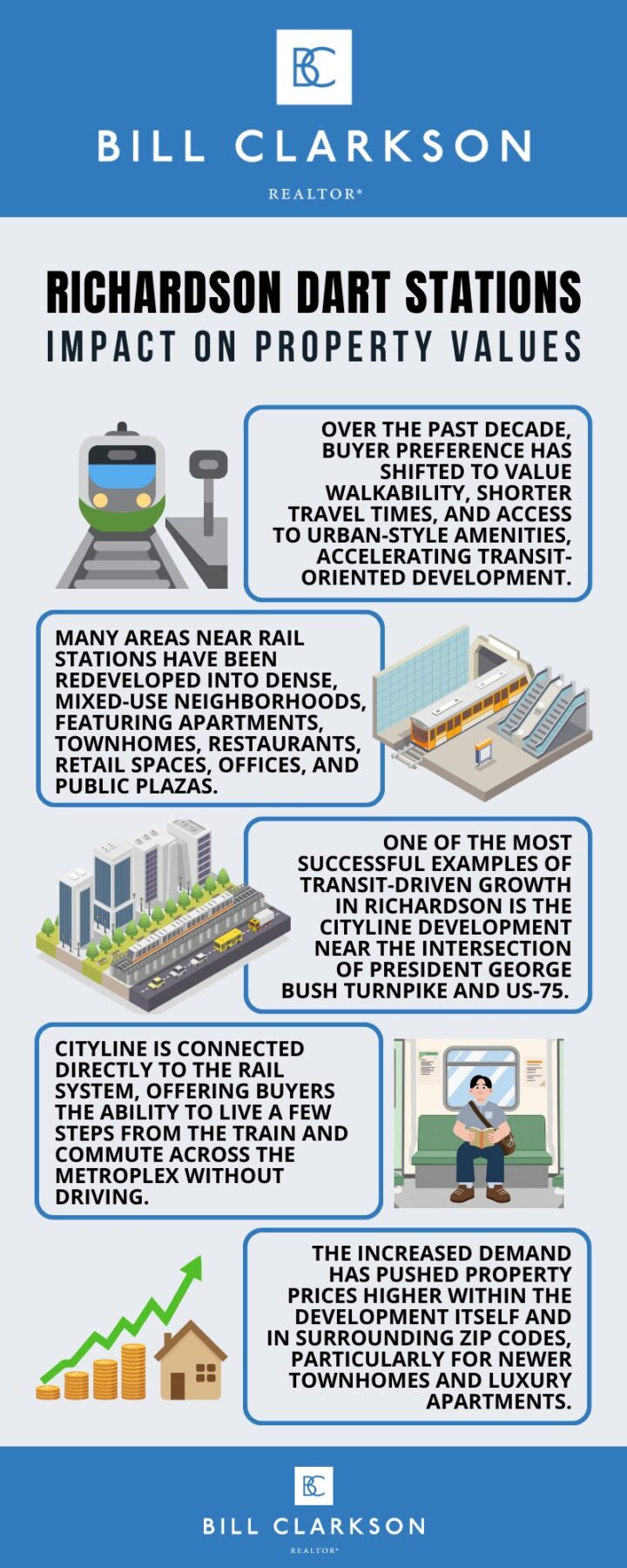
Over the past decade, buyer preferences have evolved dramatically. While traditional suburban living once focused on large lots and long car commutes, many modern buyers now value walkability, shorter travel times, and access to urban-style amenities.
This shift has accelerated transit-oriented development in Richardson initiatives. Rather than allowing older retail centers and aging strip malls to decline, many areas near rail stations have been redeveloped into dense, mixed-use neighborhoods.
These districts typically feature apartments, townhomes, restaurants, retail spaces, offices, and public plazas built within walking distance of a DART station. The result is the creation of highly desirable micro-markets where residents can live, work, and socialize without needing to drive everywhere.
These environments appeal strongly to young professionals, remote workers, and even downsizing homeowners who want convenience without leaving the suburbs.
Sustained Investment Appeal
One of the most attractive aspects of transit-oriented neighborhoods is their resilience. Properties near rail stations often maintain stronger demand during economic downturns because access to public transportation remains valuable regardless of market conditions.
Renters, in particular, tend to prioritize transit access when choosing housing. This steady rental demand helps stabilize property values and reduce vacancy risk for investors.
In many cases, homes located within designated transit corridors experience more consistent appreciation compared to similar homes further away from rail access.
For buyers focused on long-term wealth building, these areas can represent a strategic opportunity to benefit from ongoing urban planning and infrastructure investment.

Analyzing CityLine Richardson Housing Demand
The Ultimate Mixed-Use Hub
One of the most successful examples of transit-driven growth in Richardson is the CityLine development. Located near the intersection of President George Bush Turnpike and US-75, this massive mixed-use district has transformed a former office park area into a vibrant urban-style community.
The integration of the CityLine/Bush DART station with major corporate headquarters—most notably State Farm’s regional campus employing thousands of workers—has created explosive CityLine Richardson housing demand.
CityLine now features apartments, townhomes, restaurants, parks, office towers, and entertainment spaces within a walkable environment connected directly to the rail system. For employees working nearby, the ability to live steps from the train and commute across the metroplex without driving is a major draw.
This demand has pushed property prices higher within the development itself, particularly for newer townhomes and luxury apartments.
The Ripple Effect on Neighborhoods
Interestingly, the impact of CityLine extends well beyond the development boundaries.
When buyers discover that homes inside the mixed-use district exceed their budget, many begin looking at nearby established neighborhoods in Richardson.
Areas with mid-century ranch homes and traditional suburban layouts have seen a wave of renovation activity as buyers seek more affordable housing options within driving or biking distance of the station.
This “spillover demand” has helped elevate home values in surrounding zip codes, proving that successful transit-oriented developments can lift entire local housing markets.
Preparing for the DART Silver Line Impact
Connecting the Suburbs to the Airport
Another major factor shaping Richardson’s real estate future is the upcoming commuter rail expansion known as the Silver Line. The DART Silver Line impact will be significant because it introduces a new east–west rail connection across the northern portion of the Metroplex.
Unlike existing lines that primarily connect through downtown Dallas, the Silver Line will link several suburban cities directly. Most importantly, it will provide a direct rail connection to Dallas/Fort Worth International Airport.
For Richardson residents, this means travelers will eventually be able to reach DFW Airport without transferring through downtown stations. That level of connectivity is particularly appealing to corporate travelers, business executives, and university researchers who frequently fly for work.
Future Growth Corridors
Neighborhoods near planned Silver Line stations are already attracting attention from buyers who anticipate long-term appreciation.
One particularly notable stop will serve the University of Texas at Dallas area. With the university continuing to expand its research programs and student population, improved transit connectivity could further strengthen housing demand nearby.
Investors often watch these infrastructure projects closely because property values tend to rise gradually as construction progresses and stations approach completion.
Property Value and Transit Proximity Table
The distance between a home and the nearest DART station can significantly influence its market value. The closer the property is to walkable transit access, the greater the potential premium buyers are willing to pay.
| Distance from DART Station | Expected Market Premium | Buyer Profile |
|---|---|---|
| Under 0.5 Miles (Walkable) | High (+10% to 15%) | Young Professionals, Commuters |
| 0.5 to 1 Mile (Bikeable) | Moderate (+5% to 10%) | Families, Hybrid Workers |
| 1 to 3 Miles (Short Drive) | Standard Market Value | Traditional Suburban Buyers |
| Over 3 Miles | Lowest Transit Impact | Space-Oriented Buyers |
These ranges reflect broad market patterns observed across transit-connected suburbs in the Dallas region.
Key Takeaway
For buyers and investors evaluating opportunities in the Dallas suburbs, transportation infrastructure can provide valuable insight into future growth patterns.
Richardson has built one of the strongest transit networks among suburban cities in the region, and that connectivity continues to influence housing demand. When reviewing potential properties, it is always worth examining how close the home is to a rail station or planned transit corridor.
Whether you are leveraging current CityLine Richardson housing demand or positioning yourself ahead of the DART Silver Line impact, focusing on areas with strong transit-oriented development Richardson plans can significantly improve long-term investment performance.
Ultimately, smart buyers understand that Richardson TX property values often follow transit accessibility. By targeting neighborhoods connected to the rail system, homeowners can place themselves in the path of sustained Richardson real estate appreciation for years to come.
Frequently Asked Questions
How much more are homes worth if they are within walking distance of a DART station?
Properties located within roughly half a mile of a DART station often sell for 10% to 15% more than similar homes located further away. Buyers place a premium on walkable access to transit because it reduces commuting time and transportation costs.
What neighborhoods will benefit the most from the new DART Silver Line?
Areas near the University of Texas at Dallas station and other planned Silver Line stops are expected to see increased buyer interest. These neighborhoods combine strong employment centers with improved regional connectivity.
Does living near a DART station increase local property tax rates?
No. Property taxes are determined by the city, county, and school district tax rates rather than proximity to transit. However, higher property values near stations may lead to higher assessed values over time.
Are there townhomes for sale with direct access to the Galatyn Park station?
Yes. Several townhome and condominium communities are located within walking distance of Galatyn Park. These properties are especially popular with professionals working in nearby office districts.
How does the University of Texas at Dallas expansion tie into the new transit lines?
UT Dallas continues to grow its campus and research facilities, attracting faculty, students, and tech companies. The new transit connections will make commuting to the university easier from other parts of the metro area, strengthening housing demand nearby.
Is parking difficult in neighborhoods located immediately adjacent to the rail stops?
Parking availability varies by neighborhood. Many transit-oriented developments incorporate parking garages or structured parking to accommodate residents while maintaining walkable design.
Do properties near transit hubs rent out faster than homes further into the suburbs?
In many cases, yes. Rental properties located close to transit stations often attract tenants more quickly because they appeal to commuters, students, and professionals who prefer transportation flexibility.
Ready to Explore Richardson Real Estate?
If you’re thinking about buying, selling, or investing in Richardson, understanding how transit access influences neighborhood growth can give you a major advantage.
From emerging districts near new rail stations to established communities benefiting from rising demand, there are many opportunities throughout the city.
For expert guidance on finding the right property—or evaluating the investment potential of homes near DART stations—reach out today. Contact Bill Clarkson at 214-708-3241 or email Bill@BillClarksonRealEstate.com to discuss your goals and explore available homes throughout Richardson.