

Richardson, Texas, occupies a unique sweet spot in the DFW Metroplex — close enough to enjoy the energy of Dallas, but grounded in the stability of a well-established suburban community.
Over the years, I’ve watched buyers, investors, and relocators gravitate toward Richardson for reasons that go far deeper than curb appeal.
Richardson property values don’t rise simply because of market trends; they rise because Richardson is powered by a rare blend of innovation, education, infrastructure, and neighborhood charm.
What you’ll find here is a housing market supported by both economic muscle and long-term desirability.
Let’s take a closer look at the core forces keeping demand strong and values resilient.
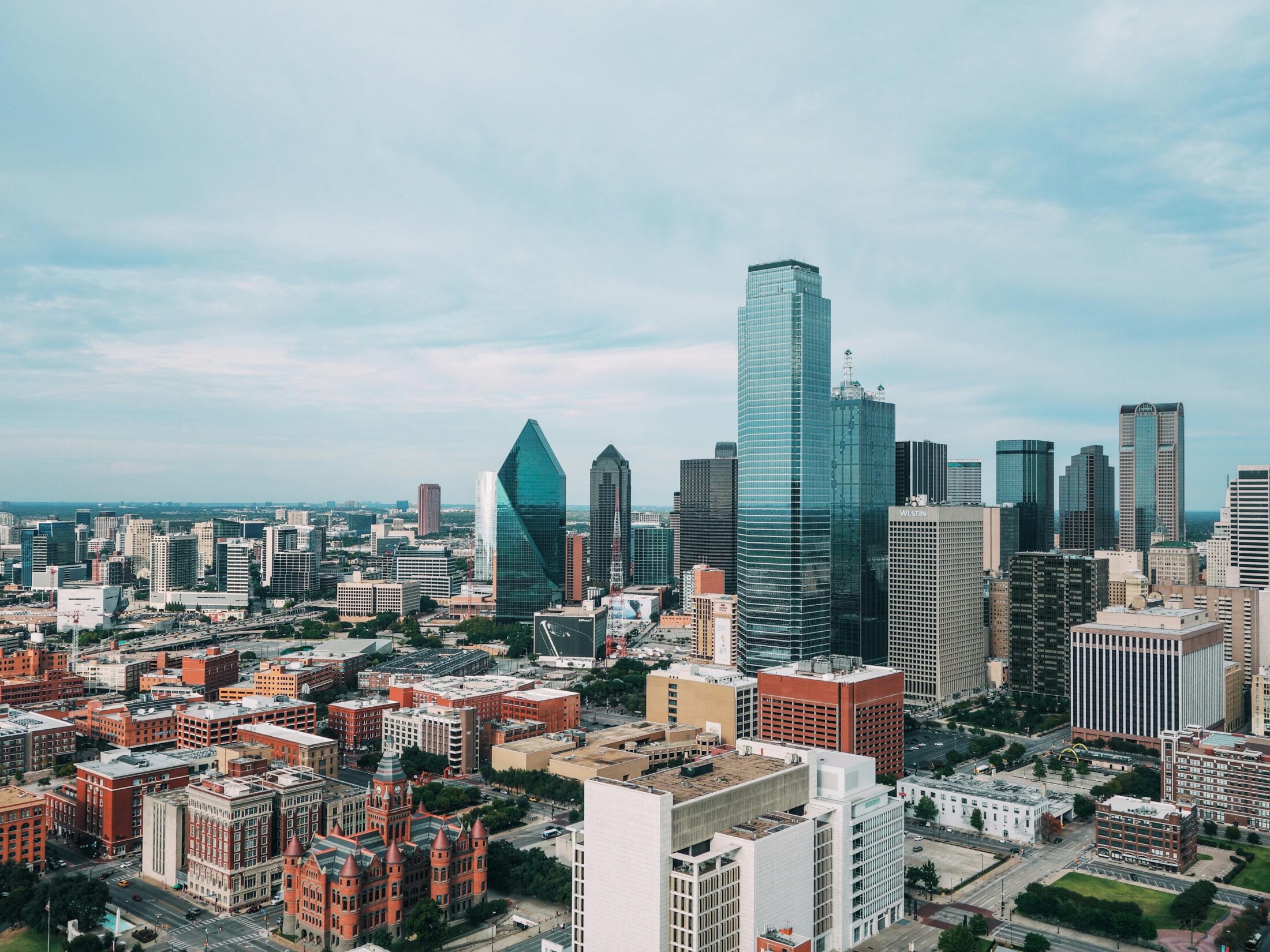
The Telecom Corridor 2.0
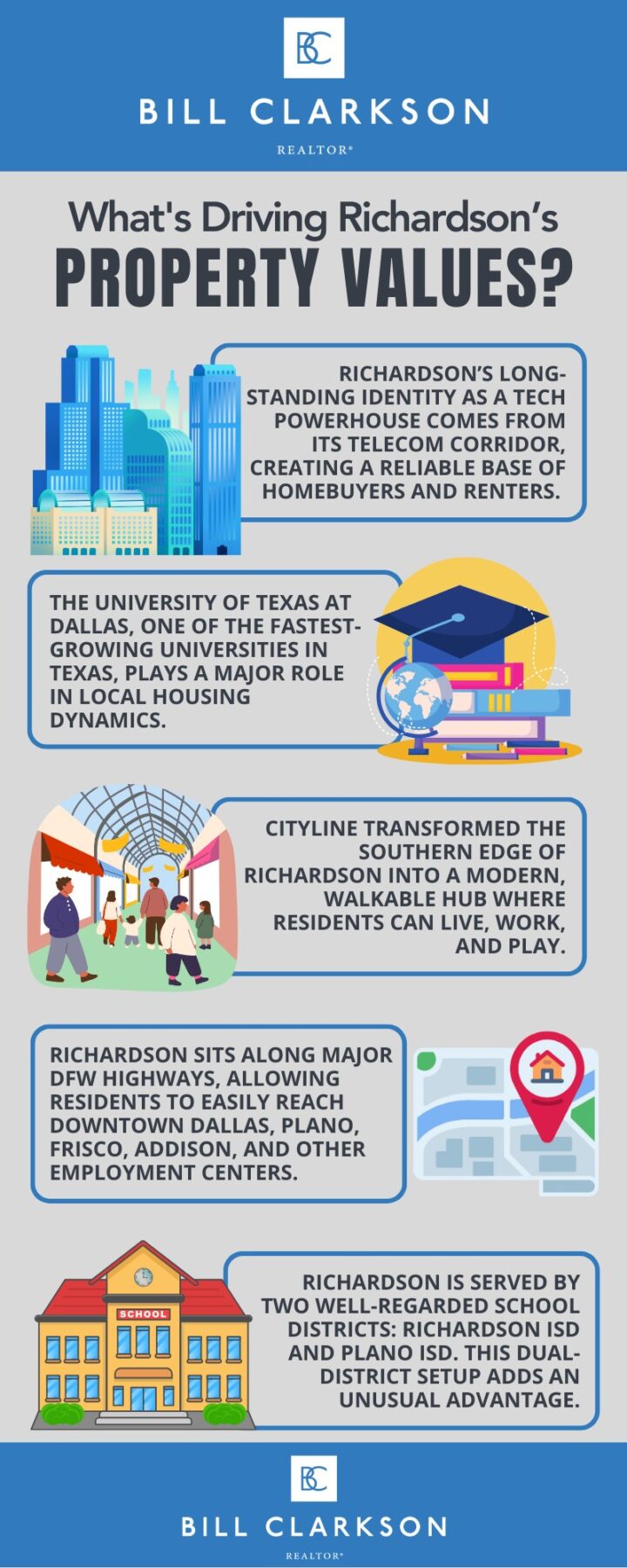
Richardson’s long-standing identity as a tech powerhouse comes from its Telecom Corridor — a hub that includes hundreds of technology, engineering, and telecommunications companies.
For decades, major employers have maintained a significant presence here, drawing engineers, analysts, developers, and corporate professionals from around the country.
This concentration of stable, high-earning jobs creates a reliable base of homebuyers and renters.
Even when broader economic cycles shift, Richardson typically sees steady relocating professionals who prefer to live close to their jobs rather than commute long distances from outer suburbs.
Cities built around specialized industries often experience more stable housing trends, and Richardson is no exception.
The tech sector tends to weather downturns better than many other industries, helping insulate Richardson’s real estate market from the volatility you’ll see in purely residential suburbs.
That economic backbone is one of the biggest reasons prices in Richardson remain so resilient.
The UTD Effect (University of Texas at Dallas)
The University of Texas at Dallas is one of the fastest-growing universities in Texas, and its continued expansion plays a major role in local housing dynamics.
Students, visiting scholars, graduate researchers, and faculty all contribute to a constant need for rental housing.
Single-family homes near campus, condos off major roads, and apartments along transit corridors benefit from this built-in demand. Even when the for-sale market cools, the rental market tends to stay strong — a major advantage for investors.
Beyond housing demand, UTD also boosts Richardson’s economy by attracting research talent, startups, and partnerships with private industry. As the university continues to build out its research programs, it feeds the entire surrounding tech ecosystem.
That steady influx of new professionals, innovators, and corporate collaborators contributes to long-term local stability — and long-term demand for housing.

CityLine and Mixed-Use Evolution
CityLine transformed the southern edge of Richardson into a modern, walkable hub where residents can live, work, and play.
With restaurants, retail, office towers, green spaces, apartments, and townhomes built around a transit-centric design, CityLine appeals to buyers and renters who want urban convenience without driving downtown.
This type of mixed-use development attracts young professionals, empty-nesters, remote workers, and corporate employees alike. Homes near CityLine often benefit from that desirability, especially for buyers who prioritize lifestyle amenities.
CityLine also houses major employers, including large corporate offices that anchor thousands of jobs. Having these employment centers within Richardson’s boundaries strengthens the housing market by keeping relocation demand close to home.
Many employees prefer Richardson neighborhoods precisely because they offer a short commute paired with established amenities.
The “Inner Ring” Location Advantage
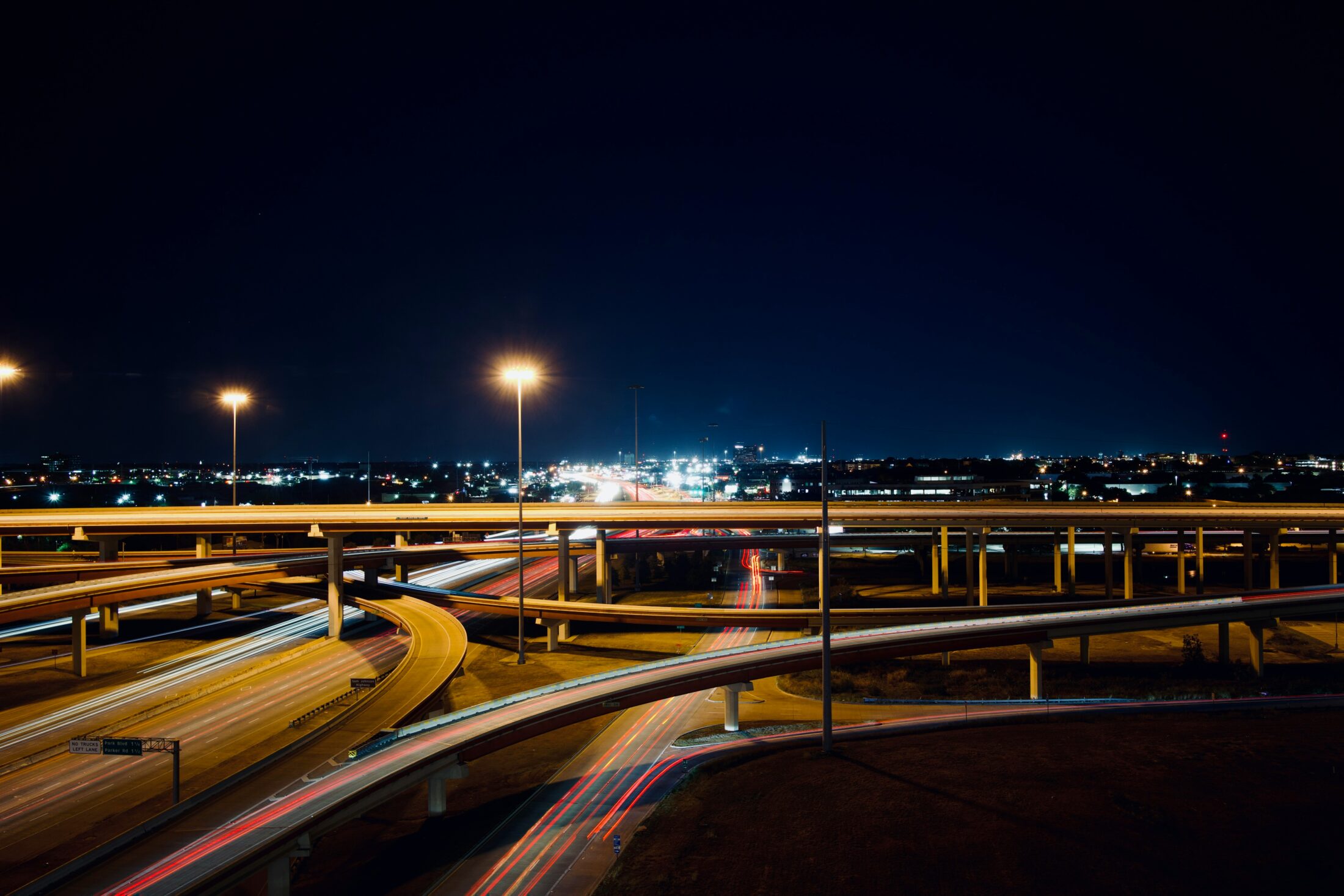
Richardson sits in an advantageous position along major DFW highways. With direct access to US-75 and the President George Bush Turnpike, residents can reach Downtown Dallas, Plano, Frisco, Addison, and other employment centers with ease.
For many buyers — especially those who have worked all over the Metroplex — location is everything. Richardson’s accessibility remains one of its strongest selling points.
Richardson is also served by several DART Light Rail stations. Transit access raises the value of surrounding neighborhoods and appeals to commuters, students, and anyone who wants to reduce reliance on long drives.
Being able to hop on the rail to reach major job centers or entertainment districts is a lifestyle perk that continues to draw new residents.
Neighborhood Character and Revitalization
One of Richardson’s hidden strengths is its mid-century housing stock.
Many neighborhoods were built in the 1950s and 1960s, offering architectural character you can’t find in newer developments — large trees, unique floor plans, and established streetscapes.
Updated mid-century homes in areas such as Canyon Creek or The Reservation attract buyers who want charm paired with modern upgrades. Demand for these homes has surged as more people look beyond cookie-cutter new construction.
The city has also invested heavily in revitalizing older industrial and flex-space areas into a modern “Innovation Quarter.”
As these districts are redeveloped into hubs for research, technology, small businesses, and creative workspaces, the surrounding neighborhoods benefit too.
When underutilized commercial areas come back to life, Richardson real estate prices
in nearby residential pockets, almost always rise — and Richardson is no exception.
School District Dual-Demand
Richardson is served by two well-regarded school districts: Richardson ISD and Plano ISD. This dual-district setup adds an unusual advantage.
Families who strongly prefer one district or the other can still buy within Richardson while getting the academic environment they want.
From a real estate perspective, this essentially widens the buyer pool. Neighborhoods in either district benefit from consistent family demand, which helps stabilize prices and quicken sales.
Frequently Asked Questions
Do homes on the Plano ISD side of Richardson appraise higher?
Not consistently. Value differences depend more on neighborhood, renovation level, and proximity to amenities than on the district alone. Both districts maintain strong demand.
How does proximity to DART affect property values?
Homes, condos, and rentals near DART stations generally see stronger demand due to commuter convenience and walkability.
Are mid-century homes appreciating as quickly as new builds?
Well-renovated mid-century homes often appreciate just as well — sometimes better — because of their character and location within established neighborhoods.
What impact will the Innovation Quarter have on prices?
As redevelopment continues, nearby residential neighborhoods may see lifted values thanks to increased employment, amenities, and infrastructure.
Is the rental market seasonal because of UTD?
There is some seasonality, but Richardson’s professional workforce keeps rental demand steady year-round.
How do property taxes compare to Plano or Garland?
Tax rates vary by district and neighborhood, but generally fall within the same range as other mature suburbs in the area.
Is Richardson a good market for short-term rentals?
Richardson is more favorable to long-term rentals. Many neighborhoods and HOAs do not encourage short-term rental traffic.
Key Takeaway
Richardson’s housing market is powered by Tech + Education resilience.
The combination of a major tech corridor, a rapidly growing research university, strong school districts, walkable mixed-use developments, and convenient transportation creates a long-term foundation for stable — and often rising — property values.
Whether you’re a homeowner, investor, or future resident, Richardson offers something rare in today’s market: a community where housing demand isn’t just a trend, it’s a reflection of deep and lasting economic strength.
Explore your home options in Richardson, TX, today. Feel free to give me a call at 214-708-3241 or email me to schedule an appointment.